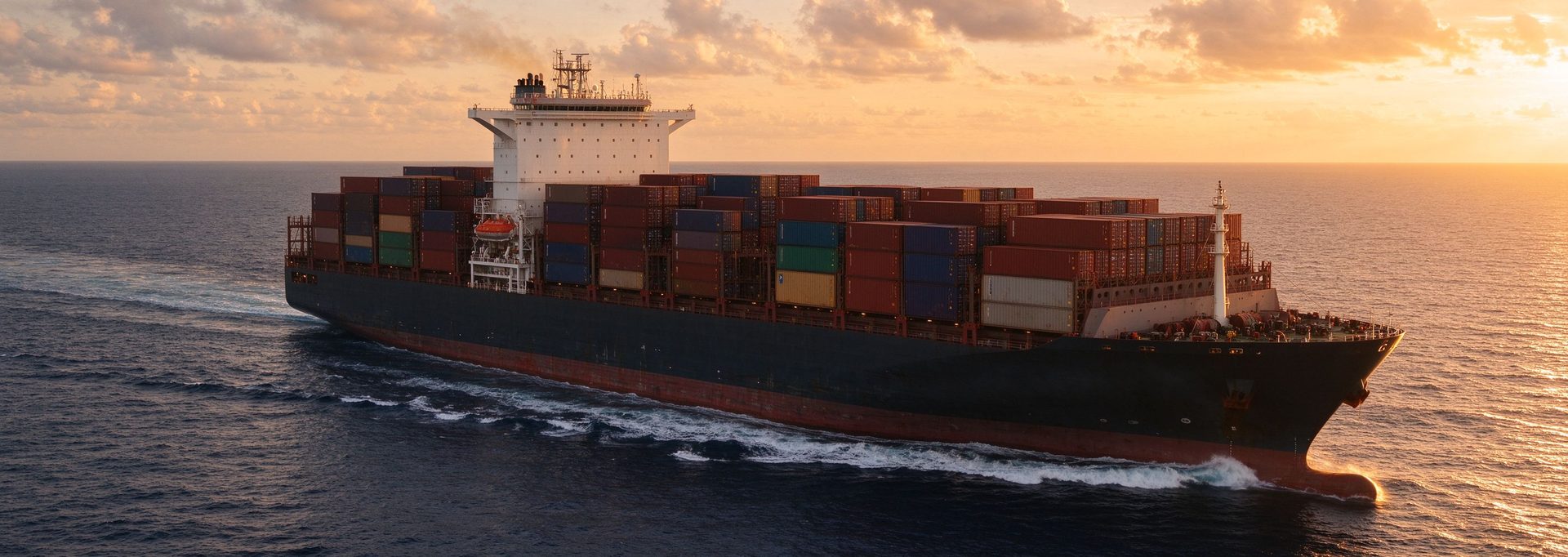
Your tracking page hasn’t moved in 12 days. You refresh it twice a day. Is the container lost? Stuck at customs? Sinking in the Pacific?
If you’ve ever imported goods from China, you’ve been there. Tracking is one of the first things you check after dispatch. You want to know where the goods are, whether they’re moving as planned, and when they’ll arrive.
But here’s the honest truth: ocean freight tracking was never designed to show you live location. It’s a milestone system, not GPS.
Understanding what the information actually means will save you a lot of unnecessary panic.
1. A tracking status is a milestone, not a live location
Shipment tracking works through transport milestones. You see updates like:
- Cargo received at origin
- Export customs clearance completed
- Vessel departed
- Vessel arrived at destination port
- Import customs clearance completed
- Cargo out for delivery
These updates tell you a specific event has been recorded. They don’t show the cargo’s exact position at every moment.
For ocean freight, there’s a long gap between the vessel’s departure and its next recorded arrival. A ship sailing from Shenzhen to Los Angeles takes about 14 days. During those 14 days, the tracking page won’t change.
That doesn’t mean the shipment is delayed. It means the ship is at sea.
The better question isn’t “Why hasn’t the tracking updated?” It’s “What was the last confirmed milestone, and what’s the next expected event?”
2. An estimated arrival date is not a delivery date
This matters when you’re planning inventory or booking warehouse slots.
A shipment may show an estimated arrival date at the destination port. But that date is when the ship docks — not when the goods land in your warehouse.
There are still several steps:
- The vessel arrives and berths.
- Containers are discharged from the ship.
- Import customs clearance is completed.
- Cargo is released from the terminal.
- Inland trucking and final delivery are arranged.
If you’re planning an Amazon FBA shipment, the vessel’s arrival date alone isn’t enough to book your inbound appointment. Ask your forwarder which date the estimate refers to.
3. A quiet tracking page vs. a real delay
When tracking hasn’t changed for a while, it’s reasonable to ask for an update. But the answer should go beyond “It’s still in transit.”
A useful update answers three questions:
What is confirmed? Has the cargo been loaded? Has the vessel departed? Has the destination arrival been confirmed?
What is still estimated? Is the next arrival date based on the latest schedule, or is it still an old estimate?
Is there anything we need to do? Does the shipment require additional documents, payment, or coordination?
If there’s a genuine delay, it’s also worth knowing whether it affects the vessel schedule, customs clearance, cargo release, or final delivery. Different problems need different fixes.
4. What to ask your forwarder when tracking goes quiet
You don’t need a full report every time the page doesn’t update. Four questions are usually enough:
- What is the last confirmed milestone?
- Has the latest vessel schedule been confirmed?
- What is the next expected event?
- Has the estimated arrival date changed?
For shipments with tight delivery windows, it helps to agree upfront on how updates will be shared and when issues should be escalated.
5. Tracking is useful — but communication still matters
Tracking is an important tool. It helps you follow the transport process and keep your team informed.
But tracking is only part of the picture. A reliable logistics update should explain not just what the system shows, but what it means for your shipment and what happens next.
When an important milestone changes or a schedule moves, you shouldn’t have to dig for information yourself.
Not sure what your tracking update means? Send us your shipment number — we’ll tell you exactly where it is, whether it’s on schedule, and what to expect next.